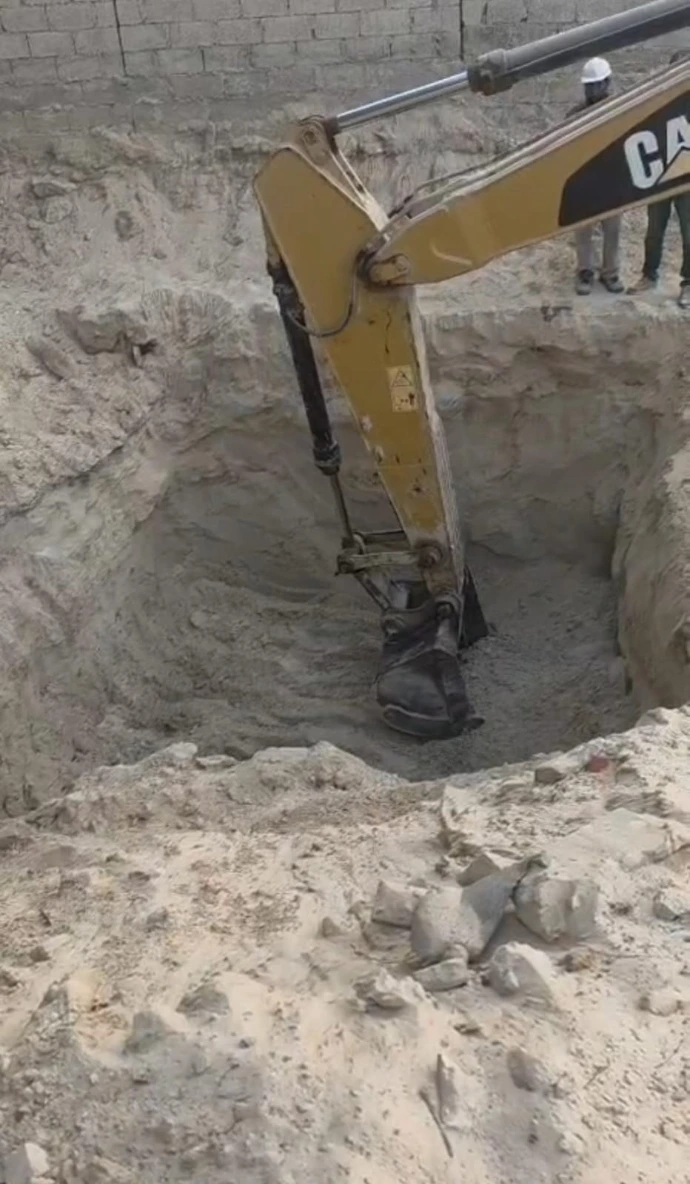
What Are Excavation and Backfilling?
Excavation is the removal of soil, sand or rock to create space for foundations, basements, trenches and utilities. Backfilling is the controlled refilling and compaction of that space once the structure or pipe is in place. Done properly in Dubai, the two steps keep buildings stable and prevent settlement.
If you are planning a villa, warehouse or tower in Dubai, these are among the first and last earthwork tasks on your site. This guide explains how both steps work, what makes Dubai ground conditions different, and what to check before you hire a contractor.
At Hammad Akhtar Transport LLC, we support contractors and developers across Dubai with excavation, material shifting, dewatering and waste removal, so the steps below reflect how real sites run.
Why Dubai Ground Conditions Are Different
Dubai sites are not like inland building plots elsewhere, and the differences shape how excavation and backfilling are planned.
- Sandy soil. Loose sand can collapse into an open excavation, so side slopes and shoring need careful planning.
- Shallow groundwater. Near the coast and in low-lying areas, groundwater can appear early in the dig. Sites often need dewatering before work can continue safely.
- Heat and wind. Fill dries quickly, which affects moisture control during compaction, and dust control matters on live sites.
- Tight logistics. Busy roads, limited laydown space and haulage rules mean trucks must be scheduled around the dig.
- Strict approvals. Excavation needs authority approval before work starts, and the issuing body depends on the project location.
A geotechnical report from your consultant should always guide the design. It tells the contractor what soil is on site, how deep water sits and what fill specification applies.
Types of Excavation in Dubai Construction
The method depends on what is being built and how deep the dig goes.
Type | Used For | Key Consideration |
Foundation excavation | Villas, towers, warehouses | Exact levels and widths from the structural drawings |
Basement excavation | Parking levels, podiums | Shoring, dewatering and haul-out of large soil volumes |
Trench excavation | Pipes, cables, drainage | Narrow, deep cuts that need support and safe access |
Bulk (mass) excavation | Site-wide level reduction | High-volume removal with a steady truck cycle |
Grading and leveling | Roads, platforms, landscaping | Final levels and slopes within tolerance |
Most projects combine several of these. A villa plot may need bulk excavation first, then foundation pits, then trenches for utilities.
How Backfilling Works, Step by Step
Backfilling is not just dumping soil back in the hole. Poorly compacted fill is a known cause of later settlement, so the process is controlled from start to finish.
- Confirm the structure is ready. Foundations, waterproofing, pipes or walls must be inspected and signed off before any fill goes in.
- Prepare the excavation. Remove loose material, debris and standing water.
- Approve the fill material. The engineer confirms the material is clean, free of rubbish, vegetation and lumps, and suits the specification.
- Place fill in thin layers. Material is spread in layers (lifts), commonly around 200 to 300 mm loose thickness, as the project specification states.
- Condition moisture. Each layer is brought to the right moisture, since too dry or too wet fill will not compact well. Water tankers are often used on site for this.
- Compact each layer. Rollers or plate compactors compact every layer before the next is placed. Fill is placed evenly on both sides of walls to avoid uneven pressure.
- Test the result. Field density tests check the compaction against the specified target, which depends on the project.
- Finish to level. The surface is graded to the final design level.
Choosing the Right Backfill Material
The right material depends on the structure, the load above it and the water conditions. The engineer's specification always decides.
Material | Typical use | Watch out for |
|---|---|---|
Clean sand | General backfill, around pipes and foundations | Needs moisture control and good compaction |
Crushed rock or aggregate | Behind retaining walls, under slabs, wet areas | Higher material cost, needs proper grading |
Excavated soil (reused) | Non-critical areas, when approved | Must be free of debris and organic matter, and tested |
Imported select fill | Where site soil does not meet the specification | Haulage cost and delivery scheduling |
Reusing suitable excavated soil can cut haulage and disposal costs, but only with engineer approval. For sand supply and transport, see our sand shifting service. Surplus or unsuitable soil goes to waste removal.
Equipment Used on Excavation and Backfilling Jobs
A typical Dubai site uses several machines working together:
- Excavators for digging foundations, trenches and bulk earth.
- Backhoe loaders for smaller digs and general site work.
- Wheel loaders and skid steer loaders for moving and spreading fill, especially in tight areas.
- Tipper and dump trucks (2XL, 3XL) for hauling excavated soil out and bringing sand or aggregate in.
- Water tankers for moisture control and dust suppression.
- Rollers and plate compactors for compacting each layer.
Hammad Akhtar Transport LLC supplies excavators, loaders, tippers and water tankers for Dubai projects. Ask about compaction equipment when you request a quote so the scope is clear from the start. You can see more on our excavation services.
Permits, Approvals and Site Safety in Dubai
Excavation in Dubai needs approval before work starts. The authority that issues the permit depends on the project location, commonly Dubai Municipality or a free-zone authority such as the Dubai Development Authority. Your consultant or main contractor normally handles the application, and you should also confirm utility clearances before digging near cables, pipes or other services.
Safety is part of the same planning:
- Deep or unstable excavations need shoring or sloped sides, designed for the soil and water conditions.
- Barriers, signage and safe access points protect workers and the public.
- Operators and signalmen should be trained and briefed on underground services.
- Spoil and machinery should sit away from the edge of the excavation.
Always confirm current requirements with the relevant authority and your consultant, since rules and procedures change.
Common Mistakes and What Affects Cost
Mistakes that cause problems later:
- Backfilling in thick layers, which leaves soft pockets and causes settlement.
- Using fill with rubbish, organic matter or lumps.
- Skipping moisture control or density testing.
- Backfilling before the structure or waterproofing is inspected.
- Ignoring groundwater, so fill is placed in standing water.
What affects the price of excavation and backfilling in Dubai:
- Volume of soil to excavate and fill, in cubic meters
- Depth, soil type and groundwater level
- Haul distance and disposal location for surplus material
- Backfill material source (reused, sand or imported fill)
- Machine type, number of units and project duration
- Site access, working hours and dewatering needs
The most accurate quote comes from sharing your drawings, location and timeline. Quick estimates without those details tend to change once the work starts.
How to Choose an Excavation Contractor in Dubai
Ask these questions before you appoint anyone:
- Is the company licensed to operate in Dubai, and can it show its trade license?
- What equipment does it own, and what is available for your dates?
- Can it handle excavation, hauling, waste removal and dewatering together, or will you need several suppliers?
- Will it work to your consultant's specification and arrange the required testing?
- Does it have recent Dubai projects similar to yours?
- Is the quote clear on what is included, such as operators, fuel, transport and disposal?
Using one provider for excavation, material shifting and waste removal reduces coordination problems and idle trucks.
Frequently Asked Questions
What is the difference between excavation and backfilling?
Excavation removes soil to create space for foundations, trenches or basements. Backfilling refills that space with approved material, compacted in layers, after the structure or pipe is installed.
Can excavated soil be reused as backfill in Dubai?
Sometimes. Soil can be reused if the engineer approves it and it is free of rubbish, vegetation and lumps. Unsuitable or surplus soil is removed from site.
Do I need a permit for excavation in Dubai?
Yes, excavation generally needs authority approval before work starts. The issuing body depends on the project location, so confirm with your consultant or the relevant authority.
How long does backfilling take?
It depends on the volume, layer thickness, moisture conditions and testing. Small trenches can be done in a day, while large foundations or basements take longer.
How much does excavation and backfilling cost in Dubai?
Cost depends on volume, depth, soil and water conditions, haul distance, equipment and duration. Share your drawings and location for an accurate quote.
Get a Quote for Excavation and Backfilling in Dubai
Hammad Akhtar Transport LLC provides excavation, sand shifting, dewatering and construction waste removal for contractors and developers across Dubai. Share your location, scope and timeline and we will confirm availability.